Meet Ana Paula Gomes de Oliviera: A Mother, a Human Rights Defender and the 2025 Martin Ennals Award Laureate
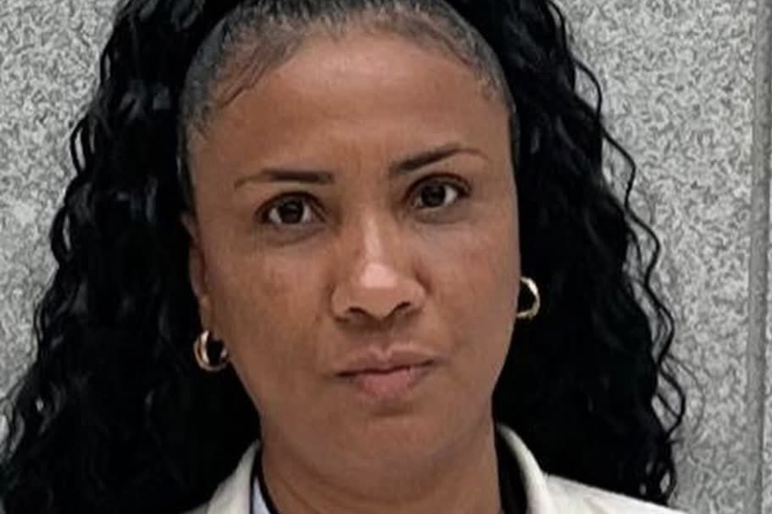
As part of the jury of the Martin Ennals Awards (MEA), often referred to as the “Nobel Prize for Human Rights”, the World Organisation Against Torture (OMCT) had the honour of contributing to the selection of the 2025 Laureate, Ana Paula Gomes de Oliviera. Following the announcement of the results in Autumn 2025, we met with her in person in Geneva to hear more about her personal journey and her life as a human rights defender.
Ana Paula is a Brazilian activist against systemic police violence in Brazil and the co-founder of Mães de Manguinhos (Mothers of Manguinhos), a collective founded following the death of her 19-year-old son by military officials in her favela, Manguinhos. Through her collective that brings together Black women, primarily mothers, Ana Paula, along with the other mothers, combats police violence rooted in racism, while helping and supporting the families and communities of victims.
In a country that records some of the highest numbers of killings of human rights defenders, her story is one of courage and an inspiration for resistance and struggle. In our heartfelt conversation, Ana Paula shares more about her activism, what gives her hope and what do international recognitions like the Martin Ennals Award mean for her and the collective she represents.
How has your personal experience shaped your understanding of institutionalised racism, state violence, and social inequality in Brazil?
In 2014, my son, Johnatha, was fatally shot by a military police official in Manguinhos, our favela in Rio de Janeiro, while he was on his way back home. About a month after his death, I joined a protest and observed that all other mothers and relatives of victims of state brutality were Black. It was then that I realised that my son’s death was a result of the deep-rooted racism in my country. I believe no one should be tortured, arrested or killed based on their skin colour. So, I began my fight for justice against police violence and systemic racism in Brazil.
What can you tell us about Mães de Manguinhos (Mothers of Manguinhos)?
I co-founded Mothers of Manguinhos, a collective of Black women made up of mothers and family members who share stories of similar loss. It is a network of emotional support between mothers and a movement for advocacy and awareness about institutionalised racism in Brazil. We cannot speak about police brutality without understanding how racism in reinforced by the state, as violence inflicted by the law enforcement officials disproportionately affects poor Black youth. Through the movement, we fight for truth, human rights, memory, freedom, justice and against racist police violence in the favelas.
Have you witnessed any changes in Brazilian society?
Unfortunately, in the past 11 years, we have witnessed an alarming rise in the number of the victims, with around 6,200 people killed by police annually, over 80% of them Black. Very few cases have reached the court and even fewer have found the police guilty. However, our movement, Mothers of Manguinhos, has played a significant role in bringing visibility to the victims’ cases. In the absence of public policy for the victims, we lead investigations, gather evidence, and present cases in the court. But we wish for more. We will continue to fight until our demands are fulfilled; an end to impunity, perpetrators held accountable, memorials established for the victims, and police killings stopped.
What gives you hope?
My love for my son. Through my fight, I have continued to be his mother, as I can feel him and his love for me. I have been blessed to encounter and be surrounded by so many supportive and loving people whom I feel are my son’s gift to me. I share this feeling with the other mothers, as we all feel the connection with our children through our collective activism. This maternal love and connection give us the strength to keep going.
What do international recognitions like the Martin Ennals Award mean for you and your activism?
It brings visibility to our collective fight. It represents the voices of thousands of other mothers who are unable to be here, who have lost their children to racist police brutality and who live with grief and suffering every day, yet continue to resist and advocate. It recognises our collective struggle.