Annual Report 2025
03
Committee Against Torture
-
01
A Message from our President
-
02
Global Torture Index
-
03
Committee Against Torture
-
04
SOS-Defenders
-
05
Human Rights Defenders
-
06
Crises Response
-
07
Police Violence
-
08
Seeking Justice
-
09
Support to Victims and Testimonies of Survivors
-
10
People on the Move
-
11
Children
-
12
Women
-
13
Strengthening the Network and Movement
-
14
Accompanying Local Partners
-
15
Cultural Initiatives
-
16
Funding and Finance
0
civil society organisations engaged with the Committee Against Torture (CAT) through private briefings, prior to the review of 10 countries.
0
submissions provided CAT with first-hand information on key risks, challenges, and patterns related to torture and other ill-treatment.
Submissions provided CAT with first-hand information on key risks, challenges, and patterns related to torture and other ill-treatment in Armenia, Ukraine, Ecuador, Burundi, Kenya, Argentina, Bahrain, Israel, Chad, El Salvador, Turkey, Azerbaijan, and Russia.
The ongoing financial crisis forced the cancellation of CAT’s three annual sessions.CAT, and the treaty body system, was facing a severe financial crisis that threatened its very functioning. Meetings were being cancelled, State reviews postponed, and access by rights holders and civil society organisations diminished. Civil Society Organisations (CSOs) denounced this situation in the framework of the 37th Annual Meeting of Charpersons, urging States to pay their assessed contributions in full and on time, and to ensure the accessibility of treaty body processes.

In November, during its last session, OMCT urged CAT to address the systematic use of torture against Palestinians, in the framework of the review of Israel. Among others, in the concluding observations, experts concluded that conditions across all places of deprivation of liberty had “severely deteriorated as a result of what appears to be, in the light of high-level statements made by the Minister of National Security and others, a deliberate State policy of collective punishment”.
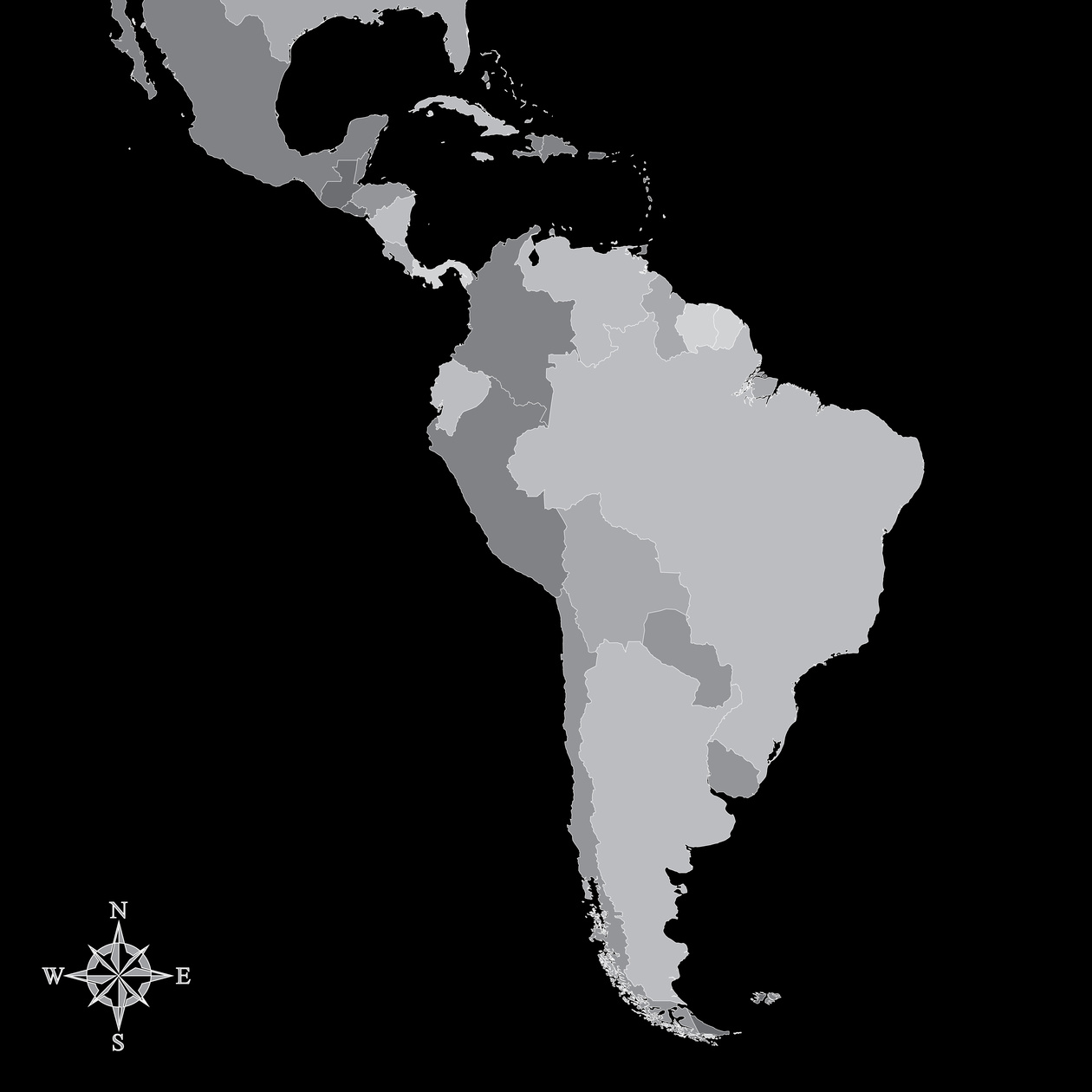
In November, CAT also conducted Argentina’s periodic review. OMCT supported CSOs in submitting critical information, including a report on regressive legislative changes and prison conditions, and another on the profound impact of the penitentiary system on women with family members deprived of their liberty. Colombia ratified the Optional Protocol to the Convention against Torture and other Cruel, Inhuman or Degrading Treatment or Punishment following 20 years of advocacy by the Colombian Coalition Against Torture, of which OMCT is a member. This represents a key opportunity to strengthen safeguards against torture through independent monitoring of places of deprivation of liberty. CDH Guayaquil and OMCT submitted a follow-up report to CAT, highlighting the severe deterioration of health conditions in a militarised penitentiary system in Ecuador, with the consequences of the sanitary crisis that has resulted in at least 292 people dead.
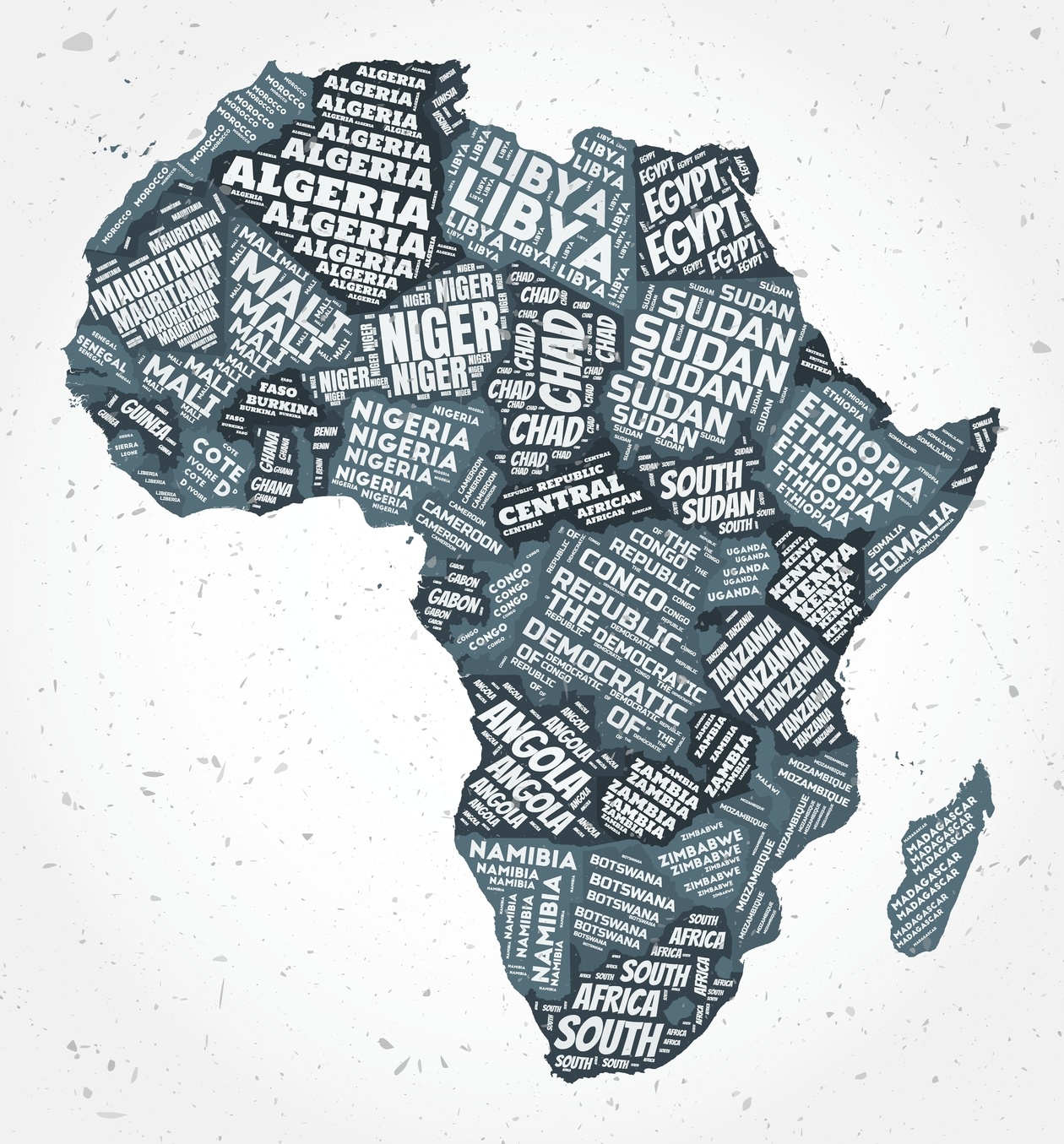
During a visit to Togo, OMCT and CACIT advanced advocacy efforts towards the implementation of the CAT recommendations, to foster better detention conditions, reduced prison overcrowding and access of civil society organisations to places of detention. OMCT also supported a coalition of Burundian civil society organisations for the submission of a joint follow-up alternative report, documenting at least 65 cases of enforced disappearances and 28 torture cases since the review of Burundi in 2023, and the total lack of prosecution of the perpetrators for these crimes, illustrating systemic impunity.
As part of efforts to bring CAT’s Concluding Observations closer to affected communities, a victim-centered follow-up event was supported in February 2025 in Thailand following the periodic review in November 2024. For many families, this marked the first time the Committee’s recommendations were discussed in a space designed around their experiences, bringing together State institutions, civil society, and the largest gathering to date of relatives of victims of torture and enforced disappearance.

In preparation of future consideration of Belarus by the Committee, an investigation into public broadcasting of forced confessions was published, concluding that this practice, widely used in the country, amounts to inhumane treatment or torture. A positive development was observed in Kazakhstan, where the Committee of the Penitentiary System of the Ministry of Internal Affairs has established a training course on inhumane treatment, in the Kostanay Academy, following advocacy by civil society and CAT recommendations on this matter. In 2024, eight criminal cases on inhumane treatment were initiated resulting from the joint awareness-raising efforts by civil society and the Academy. The criminal liability of inhumane treatment was introduced into the Criminal Code in 2023.
Preventing Torture in War: Insights from Ukrainian Human Rights Defender
In April 2025, the United Nations Committee Against Torture reviewed Ukraine’s state on torture. The Committee especially examined the conditions seen in detention facilities, the increase in deaths in custody, and the lack of investigations reaching the courts. Attending the session was Maryna Demura, a human rights defender from Kharkiv, a Ukrainian city that has been frequently targeted due to its proximity to Russia. As Project Manager of the Human Rights Center ZMINA and associate professor of criminal procedure at Yaroslav Mudryi National Law University, Demura plays a key role in monitoring conditions in detention facilities. In this interview, she shares her insights on Ukraine’s remaining gaps in the fight against torture, but also what still gives her hope for the future.
-
01
A Message from our President
-
02
Global Torture Index
-
03
Committee Against Torture
-
04
SOS-Defenders
-
05
Human Rights Defenders
-
06
Crises Response
-
07
Police Violence
-
08
Seeking Justice
-
09
Support to Victims and Testimonies of Survivors
-
10
People on the Move
-
11
Children
-
12
Women
-
13
Strengthening the Network and Movement
-
14
Accompanying Local Partners
-
15
Cultural Initiatives
-
16
Funding and Finance