Annual Report 2025
05
Human Rights Defenders
-
01
A Message from our President
-
02
Global Torture Index
-
03
Committee Against Torture
-
04
SOS-Defenders
-
05
Human Rights Defenders
-
06
Crises Response
-
07
Police Violence
-
08
Seeking Justice
-
09
Support to Victims and Testimonies of Survivors
-
10
People on the Move
-
11
Children
-
12
Women
-
13
Strengthening the Network and Movement
-
14
Accompanying Local Partners
-
15
Cultural Initiatives
-
16
Funding and Finance
0
protection interventions were carried out globally.
0
HRDs were directly supported, including 58 women human rights defenders (WHRDs), in 62 countries.
0
human rights organisations received financial assistance.

In 2025, OMCT intensified its efforts to protect human rights defenders (HRDs) worldwide in a context marked by escalating repression, shrinking civic space, restrictive legislation, and severe cuts in funding for civil society. Crackdowns in countries such as Georgia and Venezuela led to the closure of organisations advocating for human rights, underscoring the urgency of sustained international solidarity and protection.
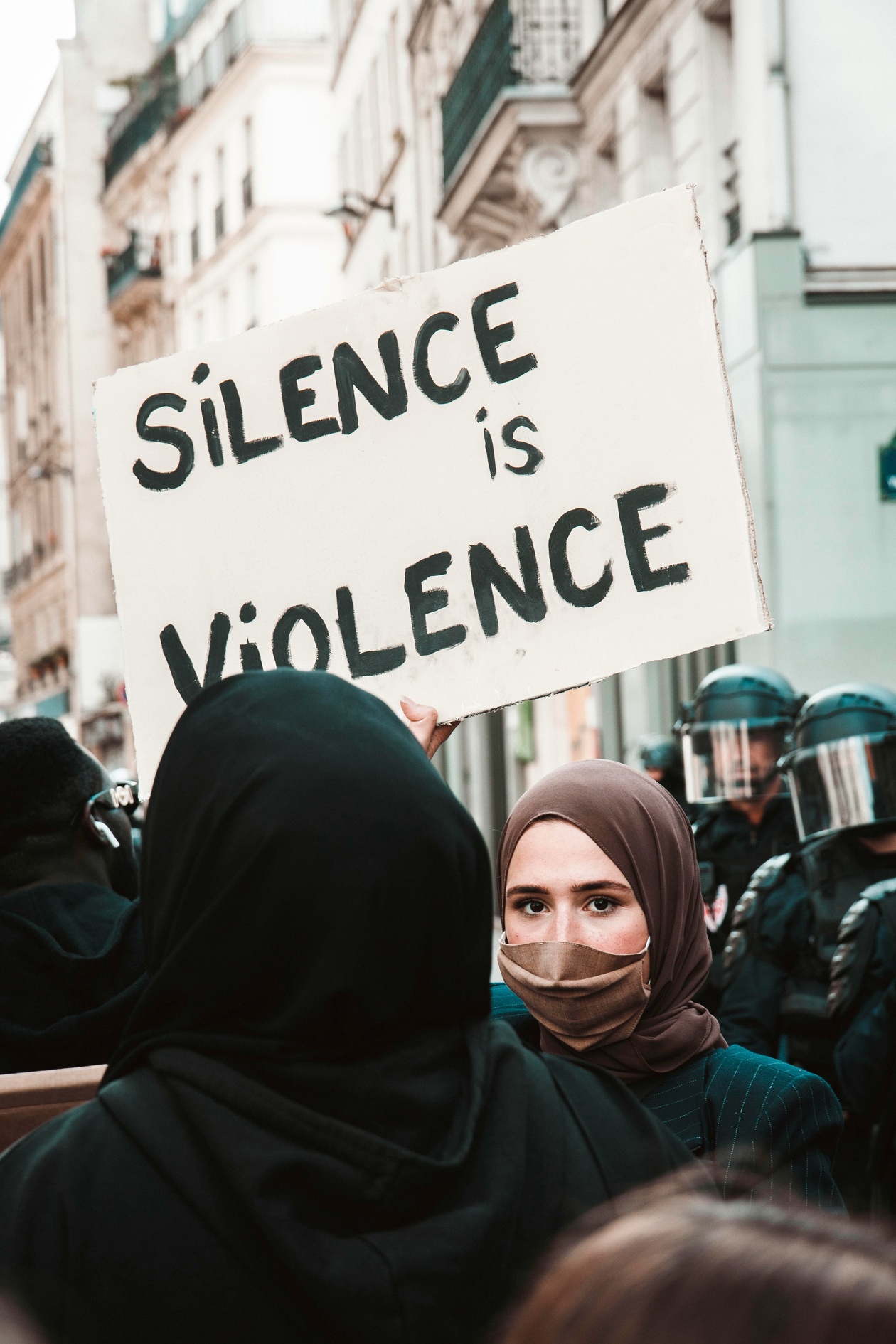
Throughout the year, OMCT implemented a broad and impactful range of activities to support defenders at risk. A total of 215 protection interventions were carried out globally, directly supporting 261 HRDs, including 58 women human rights defenders (WHRDs), in 62 countries, and providing financial assistance to twelve human rights organisations. In parallel, 110 HRDs, including 69 WHRDs, participated in capacity-strengthening initiatives, enhancing their skills, resilience and security.

OMCT combined advocacy, documentation, monitoring through country visits and engagement with international and regional mechanisms across all regions. In the Americas, OMCT facilitated advocacy visits to Washington, D.C., Brussels and Geneva for defenders from Honduras, El Salvador, Guatemala, Venezuela and Peru, engaged with UN and Inter-American mechanisms, and published the Observatory report on civic space in Venezuela. In Asia, a country visit to Nepal and the publication of a report on Iran were key milestones, complemented by support to an Iranian organisation in exile providing psychosocial assistance to defenders subjected to torture. In the Middle East and North Africa, OMCT organised side events at the Human Rights Council and the African Commission on Human and Peoples’ Rights, and supported women’s rights and LGBTQI+ organisations in Iraq and Tunisia. In Africa, OMCT conducted country visits and solidarity actions with HRDs in exile in Kenya, Rwanda, Uganda and Togo, while strengthening regional partnerships. In Europe and Central Asia, OMCT organised side events within the OSCE framework and carried out a country visit to Georgia.

These efforts produced strong and tangible results. Timely emergency responses and sustained advocacy contributed to the release of HRDs including Sihem Ben Sedrine, Sonia Dahmani, Ales Bialiatski and Uladzimir Labkovich. In November, OMCT also observed the trial of Arnon Nampa, a Thai human rights lawyer facing multiple “lèse-majesté” (a Thai law which forbids the insult of the monarchy) charges for peacefully advocating freedom of expression and monarchy reform. The #FacesOfHope campaign continued to amplify the cases of detained defenders.
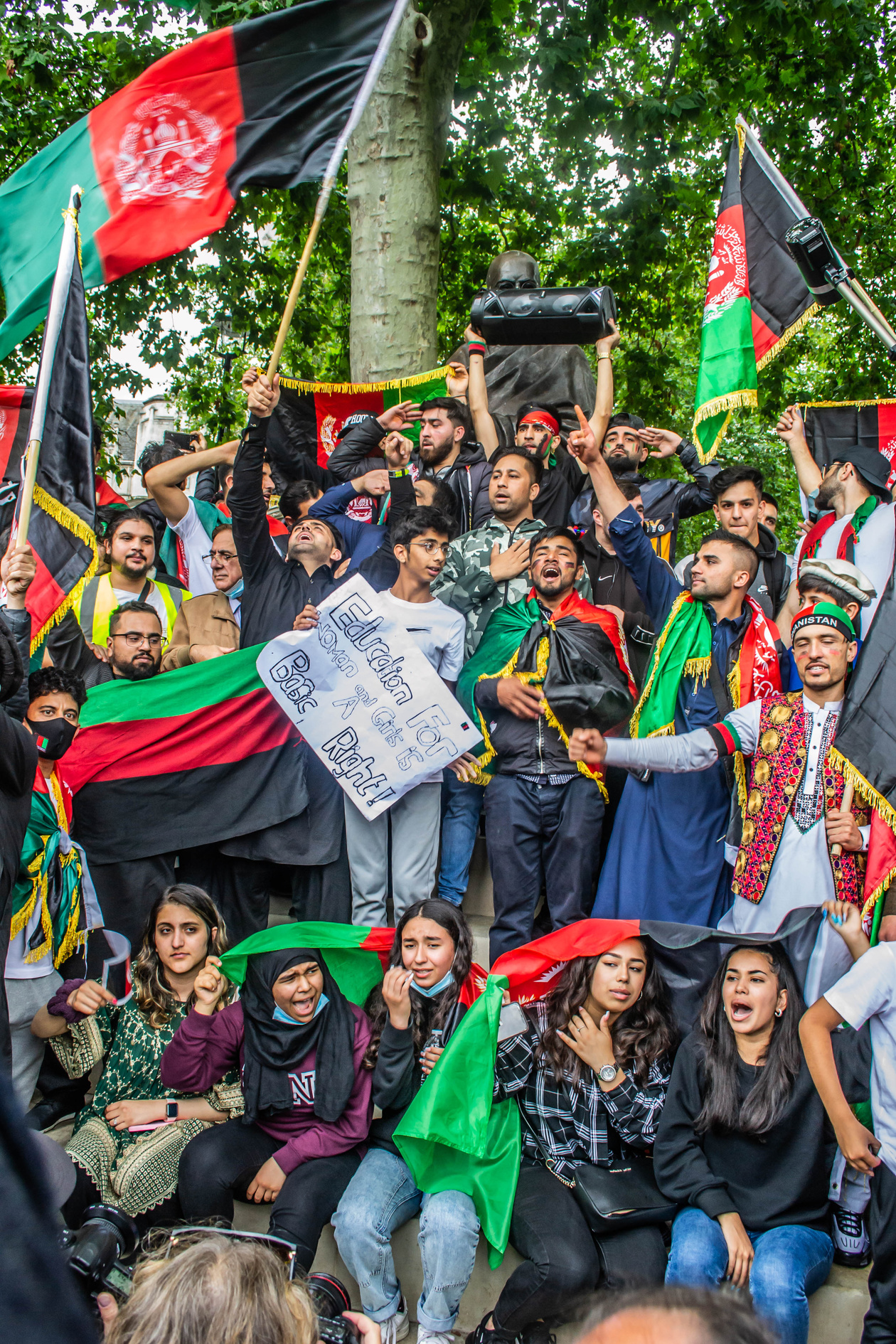
For Afghanistan, HRDs attended all Human Rights Council sessions in Geneva and organised three side-events, five closed-doors meetings, with a highlight of the approval for the establishment of an international independent investigative mechanism for Afghanistan. OMCT organized a psychosocial workshop for Afghan HRDs in exile and continue to support HRDs and their grassroots projects inside Afghanistan.
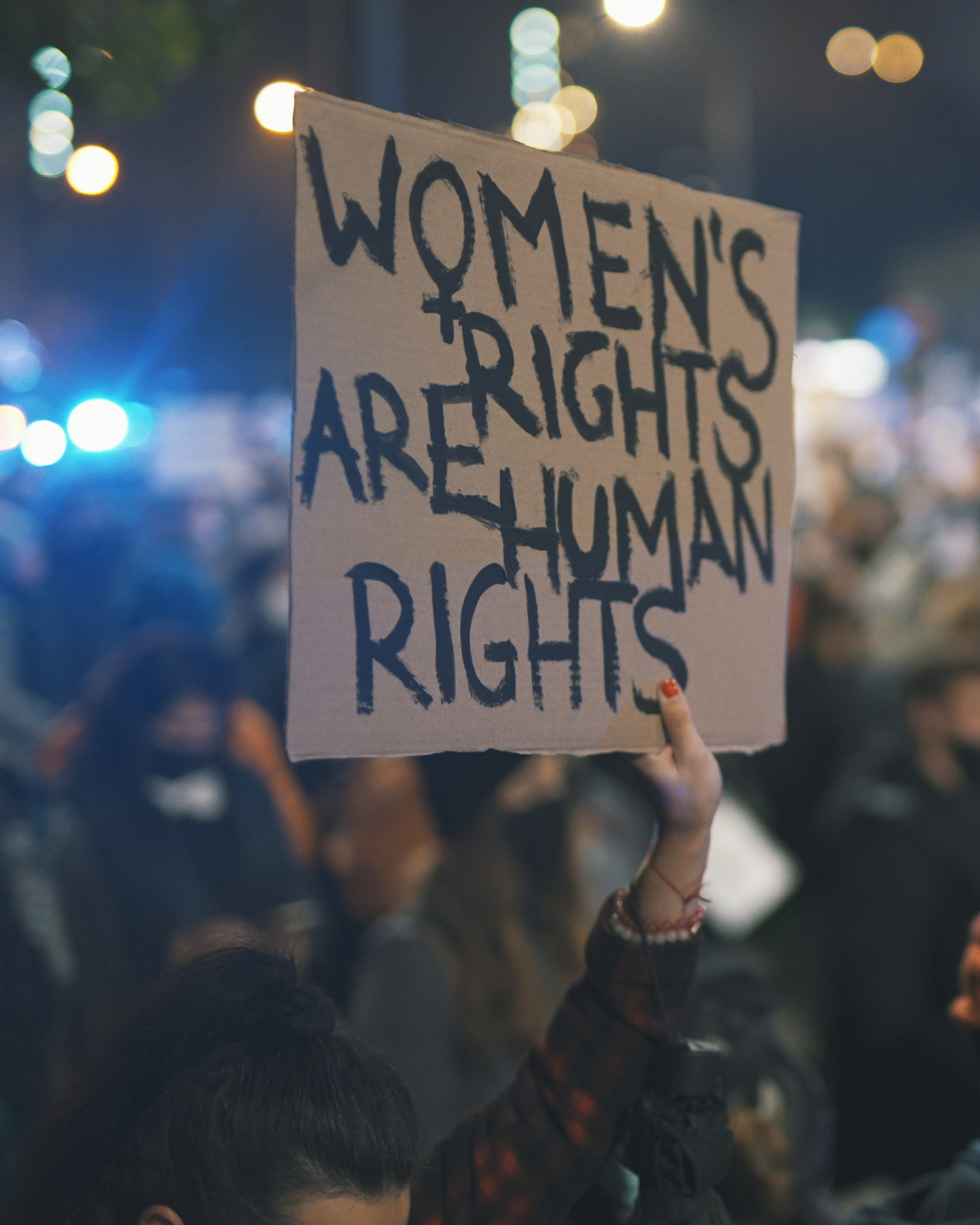
Finally, OMCT organised three thematic webinars marking International Women’s Day, addressing LGBTQI+ rights, and launching its psychosocial support guide. The organisation convened the Observatory's Inter-Mechanisms Meeting to strengthen coordination and joint strategies against arbitrary detention and reprisals.
Hope in Action: Interview with UN Special Rapporteur on the Situation of Human Rights Defenders
This interview with Mary Lawlor, United Nations Special Rapporteur on the situation of human rights defenders, highlights the challenges defenders face, the stories that inspire her, and the enduring power of hope. Lawlor shares personal anecdotes and global perspectives, emphasizing that everyone - regardless of their background - can contribute to protecting defenders and keeping hope alive.
-
01
A Message from our President
-
02
Global Torture Index
-
03
Committee Against Torture
-
04
SOS-Defenders
-
05
Human Rights Defenders
-
06
Crises Response
-
07
Police Violence
-
08
Seeking Justice
-
09
Support to Victims and Testimonies of Survivors
-
10
People on the Move
-
11
Children
-
12
Women
-
13
Strengthening the Network and Movement
-
14
Accompanying Local Partners
-
15
Cultural Initiatives
-
16
Funding and Finance