Belarus Turns Torture Into Public Spectacle, New OMCT Briefing Warns
Geneva, 3 December 2025 — The World Organisation Against Torture (OMCT) today released a briefing note revealing how the Belarusian regime has escalated its use of public broadcasting of forced confessions into a brutal tool of psychological torture and political repression.
The new evidence shows that regime-controlled media now shares coerced confessions through state television, YouTube, and Telegram channels, often edited with patriotic imagery and sensational narration. Victims include activists, journalists, students, and ordinary citizens, who are filmed within hours of arrest while subjected to threats, physical violence, and humiliation. These videos serve to intimidate society and silence dissent, effectively turning torture into a tool of state propaganda.
Survivors describe emotional trauma, shame, and social isolation that can endure long after the videos are shared online. Many fear the permanent damage to their reputations and families.
“Belarus has turned forced confessions into an instrument of psychological warfare,” said Evindar Basboga, Human Rights Officer at OMCT. “These are not spontaneous recordings. They are produced, directed and disseminated by the state to inflict maximum harm. They meet the criteria of ill-treatment under international law and in some cases may reach the threshold of torture.”
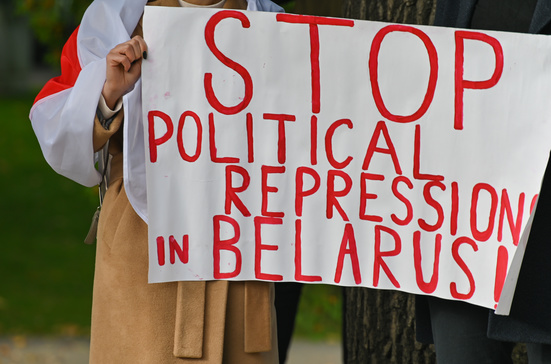
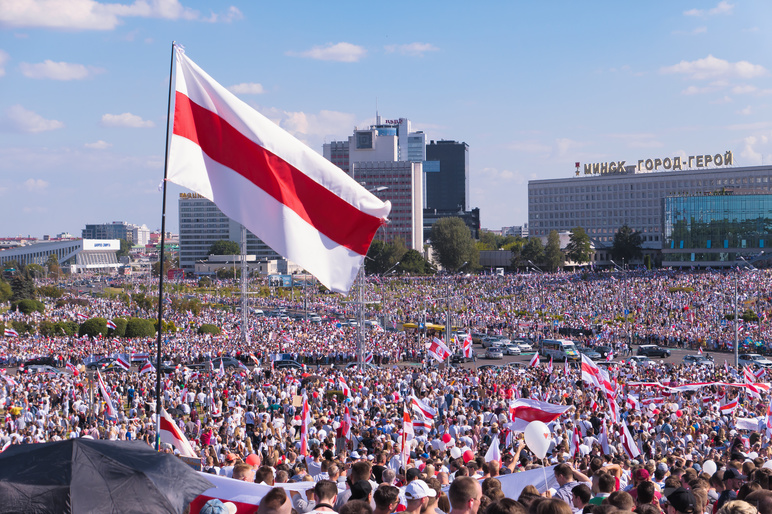
Five years after the 2020 crackdown, the situation in Belarus remains one of the gravest human rights crises in Europe. The industrial scale production and dissemination of forced confession videos has become one of the clearest symbols of that crisis.
The practice is highly relevant for the UN Committee against Torture. The new evidence reinforces the Committee’s Article 20 inquiry finding that torture in Belarus is systematic and raises urgent concerns ahead of the Committee’s upcoming review of the country. OMCT stresses that the public dissemination of coerced confessions must be recognised as a distinct violation of Articles 2, 15 and 16 of the UN Convention against Torture. The forthcoming review is a crucial opportunity for the Committee to condemn this practice explicitly, call for its immediate cessation and urge the prompt removal of all forced confession videos from public access.
OMCT further calls on States and international bodies to systematically document digital and testimonial evidence to support future accountability processes, including proceedings under international or universal jurisdiction.
The full briefing note is available here.
Contacts for media inquiries: OMCT: Francesca Pezzola, fpe@omct.org