Ethiopia: Inadequate Implementation of Recommendations Against Torture
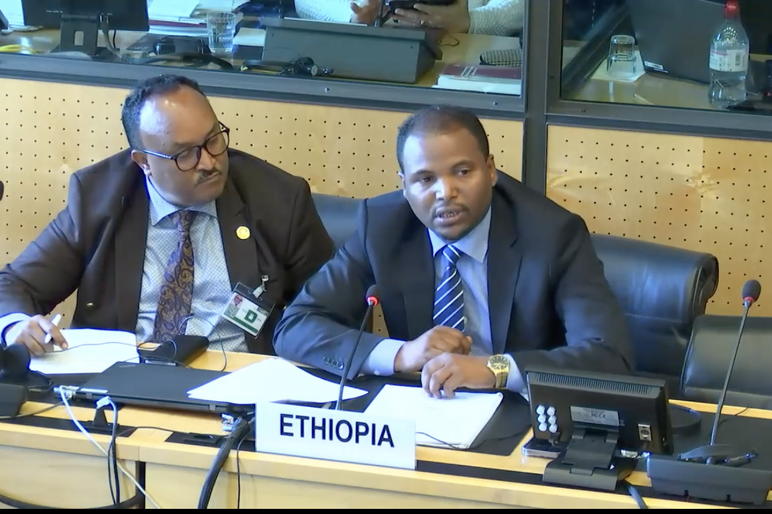
Three years after Ethiopia’s review by the United Nations Committee Against Torture (CAT) in May 2023, serious concerns remain regarding the prevention of torture and ill-treatment across the country. While the authorities have reiterated commitments to legal reform and respect for fundamental rights, implementation on the ground remains largely insufficient.
According to the World Organisation Against Torture’s Global Torture Index, Ethiopia is classified as facing a very high risk of torture and ill-treatment, reflecting persistent structural deficiencies in legal safeguards, detention practices, accountability mechanisms, and protection of civil society.
The Global Torture Index is available here: https://globaltortureindex.org
Major legal gaps and a lack of structural reform
Despite the constitutional prohibition of torture, the legal framework remains incomplete:
Torture is not defined as a standalone offense in accordance with the Convention;
Acts of torture are often prosecuted under less serious charges;
No significant legislative reforms have been adopted since 2023, despite the CAT’s recommendation to adopt a definition compliant with Article 1 of the Convention.
This situation undermines the authorities’ ability to effectively prevent and punish violations.
Persistent violations of fundamental safeguards in detention
Numerous violations of the rights of persons deprived of their liberty still persist, including:
Delayed or denied access to a lawyer;
Lack of information regarding the grounds for arrest;
Prolonged detention without judicial review;
Use of incommunicado detention, particularly in security-related contexts.
While legal safeguards exist in law they are not consistently upheld in practice, and no targeted reforms have been introduced to ensure systematic application from the moment of arrest.
Widespread impunity for acts of torture
The lack of independent investigative mechanisms is a central problem:
Investigations are often conducted by the very institutions implicated;
Few effective prosecutions are brought;
There is limited use of medical or forensic examination in substantiating alleged torture;
Victims face significant obstacles to filing complaints, including fear of reprisals.
No independent investigative mechanism has been established, and existing investigative practices do not reflect consistent impartiality or effectiveness required to meet the Committee’s recommendations.
Alarming conditions of detentions
Prisons continue to be characterized by:
Severe overcrowding in prisons and police detentions centers;
Poor sanitary conditions;
Inadequate access to medical care, including for injuries linked to ill-treatment;
A lack of separation between different categories of inmates.
While isolated infrastructure upgrades have been observed and some regional initiatives reported, systemic overcrowding, inadequate sanitation, and limited access to health care persist across multiple detention facilities. These conditions may constitute cruel, inhuman, or degrading treatment.
Excessive use of force and abuses in security contexts
Serious concerns persist regarding:
Disproportionate use of force during arrests or protests;
Abuses during security operations, particularly in conflict zones;
A lack of clear rules and independent investigations into these incidents.
While the State has reiterated commitments to lawful conduct by security forces, substantive reform of use-of-force policies and effective follow-up investigations remain limited.
A shrinking civic space and human rights defenders under attack
Human rights defenders face:
Threats, intimidation, and surveillance and rbitrary arrests;
Office raids and theft of investigation materials, preventing evidence collection on torture cases;
Obstructions to their documentation activities.
No protective measures or independent investigations into these reprisals have been reported; instead, patterns continue and have escalated since the 2023 Concluding Observations.
Overall assessment
Three years after the CAT review, the overall situation indicates that:
The majority of priority recommendations have not been implemented;
Safeguards exist in law but remain largely unenforced in practice;
The lack of structural reforms and independence of investigative mechanisms perpetuates a cycle of impunity.
New concerns have emerged regarding security operations in conflict-affected areas which continue to generate allegations of arbitrary detention and excessive use of force
The Committee Against Torture is therefore called upon to strengthen its recommendations to urge Ethiopia to undertake urgent reforms, particularly regarding legislation, procedural safeguards, conditions of detention, and the protection of civil society.
Tags
Related resources
-
- Ethiopia
- 02.05.23
- Reports
 Read more
Ethiopia: Torture has worsened with the return of war

