Global Torture Index: What 27 Countries Reveal About Gender-Based Torture
The world is marking 16 Days of Activism Against Gender-Based Violence, a campaign that begins each year on 25 November—the International Day for the Elimination of Violence Against Women. This date was chosen to commemorate the 1960 killing of Patria, Minerva and María Teresa Mirabal, three sisters and political activists killed for opposing the Trujillo dictatorship in the Dominican Republic. Their case illustrates how authoritarian regimes restrict women’s rights and increase gendered violence. The day matters today more than ever, as the same authoritarian practices that led to its creation are gaining ground in many places.
We also observe this day on the 30th anniversary year of the Beijing Declaration and Platform for Action, the most comprehensive global agenda to advance the rights of women and girls. That 1995 agreement brought real change. According to UN Women, before Beijing, only 12 countries had laws against gender-based violence. Today, 1,583 such laws exist across 193 countries. These gains, however, remain uneven and under pressure. In many contexts, measures that protect women are being weakened or dismantled, particularly those addressing violence against women. Governments with authoritarian tendencies are restricting women’s rights organisations, limiting access to essential services, particularly to reproductive care, and are targeting women human rights defenders. Economic crises and conflict add further pressure.
This reality is reflected in data collected between 2023 and 2025 by OMCT’s network members and partners in 27 countries for its Global Torture Index. It identifies where protections have sustained and advanced, and where governments continue to fail women in ways that amount to torture or other ill-treatment.
Where Gains Have Been Made
Access to abortion has expanded. According to the Center for Reproductive Rights, nearly 60 countries have liberalised laws on abortion in the last three decades. 26 countries have passed legislation that permit termination of pregnancies. In our Global Torture Index, over 80% of countries measures (22) allow for abortion to different degrees. This reflects a significant normative shift. Yet, these gains are fragile. Five countries in the Global Torture Index retain a total ban on abortion constituting a form of torture and other forms of ill-treatment. Moreover, the United States, El Salvador, Nicaragua, and Poland have all moved to restrict access in recent years.
Restraints during childbirth for detained women are rare in most countries. In the Index, of the 20 countries where data is available, the majority (15) reported that the use of restraints on women during labour and delivery is uncommon. This was not always the case. Campaigns by rights groups and health professionals as well as court decisions have pushed back against this cruel and degrading practice.
Forced sterilisation largely prohibited. Sterilisation of women, particularly from marginalised communities, was widespread for decades in all parts of the world. Regional human rights courts have since ruled it constitutes inhuman and degrading treatment, including the European Court of Human Rights and the Inter-American Court of Human Rights . In the Index data, 20 of 27 (74%) of countries prohibit sterilisation without free and informed consent.
Sexual violence in detention is reported as rare in the majority of countries. From the 17 countries where data was available, 12 (70%) reported that sexual violence in detention is rare or very rare. This could suggest that in some contexts safeguards are improving in preventing sexual violence during detention. On the other hand, violations against women’s reproductive rights in detention was reported as happening often or very often in 11 countries (40%).
Virginity testing is uncommon in most surveyed countries. Virginity testing is one of the most extreme expressions of patriarchal control, reducing women’s bodies to objects that can be inspected and judged. While not eliminated everywhere, partners from 17 countries reported that this degrading practice is rarely or very rarely carried out. International condemnation and national level advocacy have contributed to its decline.
Where We Are Failing
State responses to intimate partner violence remain inadequate. The World Health Organisation estimates that almost one in three women worldwide has experienced physical or sexual violence from a partner at some point in their lives, a rate that has not changed since 2000. Across the surveyed countries in the Global Torture Index, victims rarely receive the safeguards they are entitled to: Psychosocial counselling, social support schemes, and access to shelters are reported as "rarely" or "very rarely" provided in the majority of countries. Only 2 countries of the 27 measured reported to offer psychosocial counselling. Moreover, in 16 (60%) of the countries, data on conviction rates is not accessible. Only one country reported conviction rates between 50-75%. With funding for women rights organisations shrinking in many countries, the essential services they deliver face growing gaps.
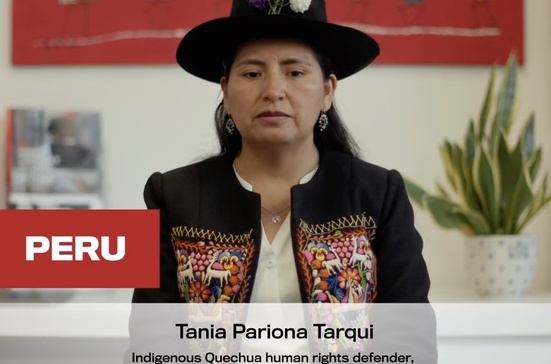
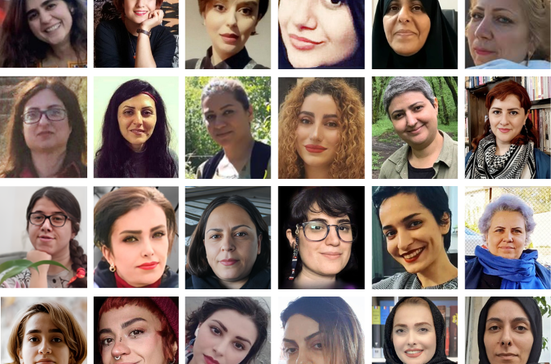
Women human rights defenders are targeted. In six countries in Asia, Africa and Latin America, the defence of human rights is prohibited or obstructed specifically on the basis of gender. Women defenders increasingly face harassment, detention, and violence for their work. Yet when these same defenders are killed, tortured, or judicially harassed, partners from 16 countries reported that prosecutors rarely or very rarely apply a gender-based approach to their investigations.
Forced marriage remains widespread and responses are inadequate. Partners from 18 countries (almost 79%) reported that forced marriage is practiced. At the same time, 45% of the countries reported that in theory the country has measures in place to eradicate it, such as public policies, action plans, programmes, or protocols.
Alternatives to detention for pregnant women and mothers are scarce. Partners from 18 countries reported that such alternatives were rarely or very rarely offered. Detention is particularly harmful for pregnant women and mothers with infants, yet most states continue to treat incarceration as the default. The United Nations Rules for the Treatment of Women Prisoners and Non-custodial Measures for Women Offenders (Bangkok Rules), adopted in 2010, specifically call on states to prioritise non-custodial measures for pregnant women and primary caregivers. Fifteen years later, implementation remains lacking.
What We Demand
Decades of feminist activism have shifted laws and practices and improved women’s lives, but the hard-won gains remain fragile and can be undone fast. The Committee against Torture and other anti-torture mechanisms have established that gender-based violence, including domestic abuse, reproductive coercion, forced marriage, and inadequate gender-sensitive detention conditions, can amount to torture or other cruel, inhuman, or degrading treatment. States have obligations to prevent and investigate such abuses and to ensure effective remedies for victims and survivors.
States must deliver on the obligations they have already accepted: address gender-based violence as part of their anti-torture commitments and ensure accountability when violations occur. This requires gathering disaggregated data on all forms of gender-based violence, resourcing independent monitoring bodies, and allowing women human rights defenders, survivors, and civil society organizations to document cases and speak out without fear of reprisals.