“Humans Are Meant To Be Together”: UN Special Rapporteur on Freedom of Assembly and Association
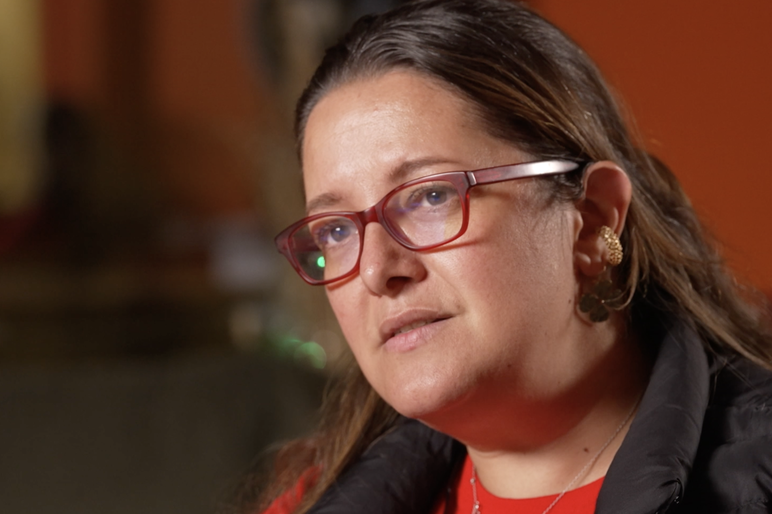
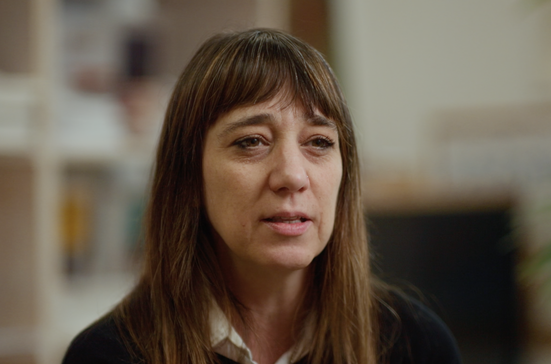
The rights of assembly and association enable people to come together either in private, or in public, or online; it’s a fundamental part of our human nature. In this interview with the OMCT, the UN Special Rapporteur on Freedom of Peaceful Assembly and Association, Gina Romero, reflects on why these rights matter to all of us and why they are under pressure worldwide.
What do the rights of assembly and association mean to you?
They are an essential part of human nature. Humans are meant to be together, and it is just putting a name to the human actions of coming together, expressing yourself, creating solutions together. When people can meet, organise, and speak up together, they can defend and advance every other right. If these rights are blocked, people become isolated, fear spreads, and it becomes much harder to demand change. Protecting freedom of assembly and association is a way of protecting people’s ability to shape their lives with dignity.
How are these rights restricted today?
They are heavily curtailed worldwide in the context of three major phenomena. First, we are seeing democracy weakening
in many places and authoritarianism growing. Second, public debates are increasingly framed around security-first agendas, sometimes presented as a false choice between “security” and “rights.” Third, there is a crisis of trust in global cooperation, including institutions like the United Nations (UN). Together, these trends make it easier to restrict civic space and harder to protect people who use it.
How are people being targeted for protesting or organising?
It often starts with harmful narratives, with governments labeling people who protest or organize as “enemies,” “traitors,” or “foreign agents.” Then come restrictive laws and procedures that make it harder to demonstrate or for civil society to operate and access funding. In many places, people face criminalisation, detention, and torture. Surveillance is also rising, including spyware and facial recognition, and funding cuts threaten civil society’s survival. All of this creates fear, so others hesitate to speak up.
What practical changes can prevent torture and ill-treatment during protests?
Three priorities stand out. First, ensure independent monitoring of protests by civil society, journalists, national human rights institutions, and anti-torture bodies. Second, strengthen rules that stop the trade and use of equipment that can enable abuse, including through efforts towards a Torture-Free Trade Treaty. Third, deliver real accountability: abuses must be investigated meaningfully, whether they happen in the street or during detention, and survivors must have access to justice and reparation.
Is technology helping or harming civic space?
Both. Social media can amplify voices, help people organise, and even support fundraising. But it can also fuel hate and harassment, enable surveillance, and provide data that is later used to prosecute activists and protesters. Internet shutdowns during protests can block monitoring and evidence-gathering, and mass surveillance tools, including biometrics, can intimidate whole communities. Technology isn’t the problem by itself, but the harm comes from misuse, lack of oversight, and weak rules for platforms and companies.
What can the international community do to help?
Governments should actively defend these rights in their diplomacy and in multilateral spaces. Institutions like the UN and regional organisations should challenge harmful narratives, push back on restrictive laws, and demand accountability for violations. Donors should support sustainable, flexible funding for civil society, especially when groups face political pressure and defunding. And civil society actors can increase impact by coordinating across borders and adapting to changes in global systems.
What gives you hope in your work?
The resilience and creativity of civil society: even under smear campaigns, arrests, and violence, civil society is still fighting for their rights. Young people also give me hope, as they continue taking the streets for democracy, justice, and a better future, no matter the risks. Their commitment, not only with themselves but with their communities and society as a whole, is what keeps me going every day.