“Silence Only Strengthens Repression”: Interview with Bahraini Human Rights Defender

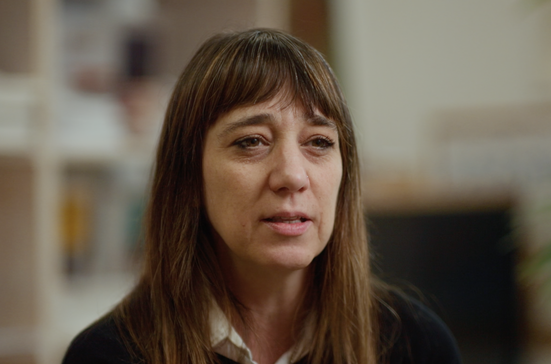
Jawad Fairooz is a Bahraini human rights defender, Founder of OMCT’s SOS-Torture Network member organisation SALAM for Democracy and Human Rights. He is also a former Member of the Bahraini Council of Representatives, currently living in exile after years of persecution by the authorities, including detention, torture, and the revocation of his nationality. In Bahrain, severe restrictions on civic space persist alongside widespread impunity and ongoing allegations of torture. As the UN Committee Against Torture reviews Bahrain’s record, Jawad Fairooz reflects on the human rights climate in the country, the personal cost of his advocacy, and the urgent need for accountability, drawing on his experience and the findings highlighted by OMCT and partners’ Global Torture Index.
What is the current human rights climate in Bahrain?
Since the crackdown on the Arab Spring protests in 2011, Bahrain has been marked by grave human rights violations. These abuses have continued for decades without serious reform. Bahrain continues to carry out executions following the exhaustion of judicial remedies. More than 435 people have had their nationality revoked, and over 300 prisoners of conscience remain behind bars, including opposition leaders. Freedom of speech and assembly are criminalised, torture has not been systematically banned, and political and civil rights continue to be restricted. The core violations that began years ago are still continuing today.
What has been the cost of your advocacy in Bahrain?
From the moment I became active in public life, I knew there would be a high price to pay. In 2004, while leading a large protest against the US invasion of Iraq, I was shot in the head with a live bullet. Since then, I have been targeted repeatedly through detention, torture, and eventually the revocation of my nationality.
The Global Torture Index classifies Bahrain as facing a “very high risk” of torture. Why?
Torture is not taken seriously by the authorities. There are no accountability and no clear mechanism to hold senior officials responsible. Victims are denied remedies, redress, and rehabilitation. Even after release, former detainees struggle to regain basic civil and political rights. They face obstacles in obtaining employment, housing, and other services.
International recommendations from bodies such as the UN Committee Against Torture have not been implemented. There have been no meaningful legal amendments to fully prohibit torture or establish independent investigations. Semi-government institutions lack independence and cannot be trusted to address these abuses. All of this shows a clear lack of political will.
What are the main obstacles facing survivors of torture when seeking justice?
The government focuses on public relations rather than real reform. Institutions like the National Institution for Human Rights, the Special Investigation Unit, and other bodies exist, but they are not independent. Cases referred to them rarely result in accountability or fair trials.
Victims consistently report that justice is denied. Torture has evolved from overt physical abuse to psychological and “soft” methods, including deprivation of rights, travel bans, revocation of nationality, deportation, and denial of documents and services. These practices show that torture continues in different forms, and the authorities are not serious about ending it at its roots.
After the UN Committee Against Torture reviewed Bahrain, what are your hopes for the future?
The last review was in 2017, and victims’ challenges have only increased since then. Civil society organisations, regional and international NGOs have submitted shadow reports documenting the continuation of torture and lack of justice.
If the government had implemented the 2017 recommendations, these reports would not be necessary. Despite changes in government leadership, the same patterns persist. Torture methods may have changed tactically, but the core problem remains. We hope the Committee will strongly reiterate its recommendations, apply pressure, and ensure that victims’ voices are taken seriously in discussions with the Bahraini delegation.
You have been in exile. How do defenders continue their work despite reprisals?
Human rights defenders in exile pay a heavy price. Many are banned from entering Bahrain or face fabricated cases, Interpol notices, travel restrictions, and harassment of their families. Smear campaigns label activists as terrorists or foreign agents.
Despite this, defenders continue out of belief in the cause and responsibility toward victims. It is extremely difficult, but repression cannot last forever, especially under international scrutiny.
How can international solidarity help?
UN mechanisms must be fully utilised, including special procedures, treaty bodies, and the Universal Periodic Review. Pressure from Bahrain’s key allies, especially the UK, US, and EU, is crucial. These relationships matter deeply to Bahrain and can drive change.
Support from international NGOs, networks, and media is also essential. Greater visibility and coverage of Bahrain’s human rights situation would significantly increase pressure for reform.
What gives you hope to continue your work?
Silence only strengthens repression. The resilience of victims and their families gives me hope. Standing with them is a moral and spiritual duty. I believe oppression has a short life, and that by continuing this work, we help ensure that future generations do not inherit a reality of torture, executions, statelessness, and detention.

Related resources
-
- Ecuador
- 28.01.26
- Blog
 Read more
Defending Human Rights in Ecuador